

EXPLORE MUSIC & ENTERTAINMENT NEON SIGN CASE STUDIES BY USE
Music and entertainment environments rely on carefully positioned signage to support both performance atmosphere and brand identity — from stage backdrops and DJ booths to studio and content creation spaces. These case studies show how neon signs are integrated into real setups to enhance visibility and audience experience.
Each example highlights how placement, scale, and colour work together in dynamic environments — helping artists, venues, and creators build recognisable visuals and impactful performance spaces. ⚡
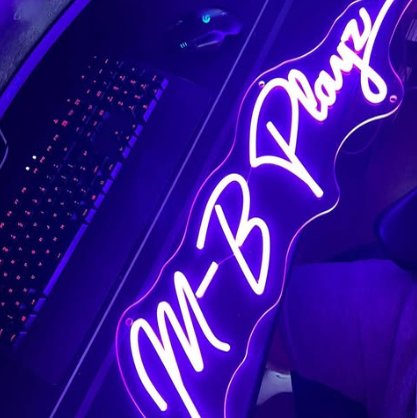
🎧 DJ BOOTH BACKDROP
Installed within DJ setups to define the booth visually and create a recognisable backdrop for both live audiences and content capture.
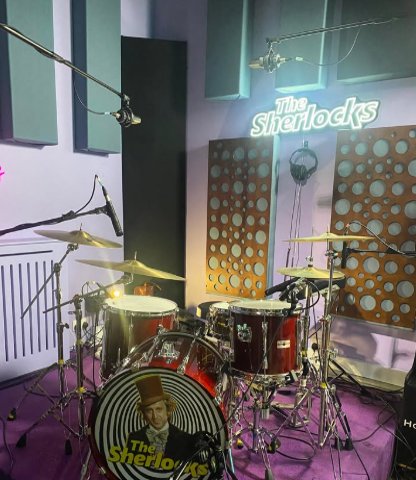
🎶 LIVE MUSIC VENUE FEATURE
Integrated into venue interiors to enhance atmosphere, improve visibility, and support consistent branding across performances.
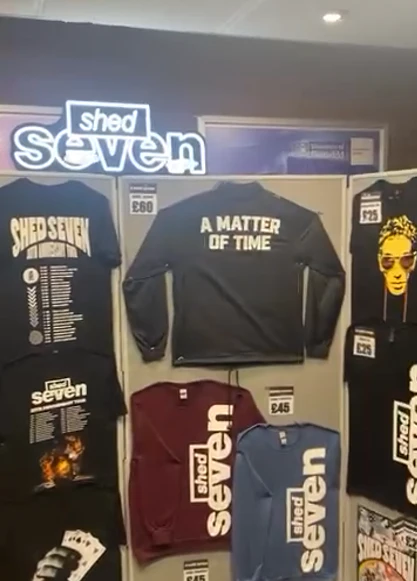
🎤 BAND STAGE BACKDROP
Positioned within styling or reception zones to create a defined focal point that enhances brand presence and client experience.
Explore real music and entertainment neon sign installations across a range of environments — from live stages and DJ booths to studios and content creation spaces.
See how different designs, placements, and colour choices come together in real settings, helping you understand what works effectively within performance-led environments.
Explore all industries in our Neon Sign Case Studies hub
MUSIC & ENTERTAINMENT NEON SIGN CASE STUDIES — FREQUENTLY ASKED QUESTIONS
Where are neon signs typically placed in music and entertainment spaces?
Neon signs are commonly installed behind stages, within DJ booths, on backdrop walls, or in studio environments. Placement is chosen to maximise visibility for both live audiences and recorded content.
Will a neon sign be visible and effective in low-light performance settings?
Yes — LED neon signs perform particularly well in low-light environments, maintaining strong visibility without overpowering stage lighting.
Where should I place a neon sign in a DJ booth setup?
Signs are typically positioned behind or above the DJ to create a clear focal point. This ensures visibility for both the crowd and camera-facing content.
Can neon signs work in smaller studio or performance spaces?
Yes — compact signs are often used in smaller studios or home setups. Scaled designs help maintain impact without overwhelming the space.
Are neon signs safe for indoor entertainment environments?
LED neon signs operate at low voltage and produce minimal heat, making them suitable for indoor use when installed correctly and away from direct contact areas.
What colours work best in music and entertainment environments?
Bold colours like blue, red, and pink are commonly used to stand out under stage lighting, while cool white is often used for clean, high-contrast visibility.
Can neon signs be dimmed or adjusted during performances?
Yes — many setups include dimmers or remote controls, allowing brightness to be adjusted depending on lighting conditions or performance needs.
How do I choose the right size neon sign for a stage or booth?
Size depends on viewing distance and space layout. Larger backdrops require bigger signs, while booths and compact setups benefit from more controlled sizing.
Do neon signs support branding for artists and venues?
Yes — signage is often used to reinforce artist identity or venue branding, helping create a consistent and recognisable visual presence.
Can neon signs be used for content creation and streaming setups?
Yes — many artists and creators position signage to act as a backdrop for videos and live streams, improving visual consistency and recognisability 📸