

EXPLORE RETAIL & POP-UP NEON SIGN CASE STUDIES BY USE
Retail and pop-up environments rely on carefully positioned signage to attract attention, guide customer flow, and reinforce brand identity — from storefront displays and point-of-sale areas to temporary activations and showroom setups. These case studies show how neon signs are integrated into real retail spaces to enhance visibility and engagement.
Each example highlights how placement, scale, and colour work together across different retail formats — helping brands create recognisable, high-impact environments that perform in customer-facing settings. 🛍️
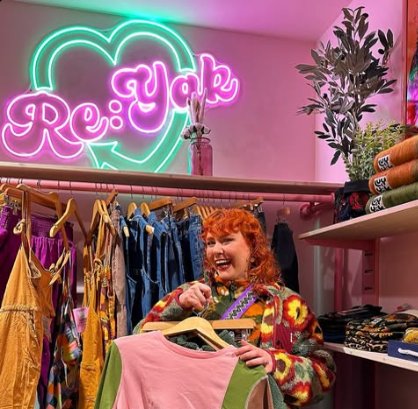
👗 FASHION SHOWROOM DISPLAY
Installed within showroom spaces to highlight brand identity and create a defined, customer-facing visual focal point.

🛍️ RETAIL POS DISPLAY
Positioned within checkout and display areas to attract attention and reinforce brand presence at key customer touchpoints.

🍹 POP-UP BAR BRANDING
Integrated into temporary setups to create a strong visual identity and enhance atmosphere within pop-up environments.
Explore real retail and pop-up neon sign installations across a range of environments — from storefronts and showrooms to temporary activations and event-based retail spaces.
See how different designs, placements, and colour choices come together in real settings, helping you understand what works effectively within customer-facing retail environments.
For customer-facing shop displays and branded retail interiors, explore our Retail Neon Signs collection for LED neon signage suited to stores, pop-ups and product displays.
Explore all industries in our Neon Sign Case Studies hub
RETAIL & POP-UP NEON SIGN CASE STUDIES — FREQUENTLY ASKED QUESTIONS
Where are neon signs typically placed in retail and pop-up environments?
Neon signs are commonly installed in storefront windows, behind counters, at point-of-sale areas, or within feature displays to maximise visibility and attract customer attention.
Will a neon sign be visible and effective in bright retail settings?
Yes — LED neon signs are designed to remain clearly visible in well-lit environments. Brightness can be adjusted to ensure strong contrast and readability.
Where should I place a neon sign in a retail store?
Signs are often positioned at key customer touchpoints such as entrances, checkout areas, or central display zones to enhance visibility and reinforce branding.
Are neon signs safe for indoor retail environments?
LED neon signs operate at low voltage and produce minimal heat, making them suitable for indoor commercial use when installed correctly.
Can neon signs be dimmed or adjusted?
Yes — many signs include dimmers or remote controls, allowing brightness to be adjusted based on lighting conditions or store ambience.
How do I choose the right size neon sign for my retail space?
Size depends on viewing distance and wall space. Larger storefronts or feature walls support bigger signs, while smaller areas benefit from more compact designs.
Can neon signs be used for temporary pop-up setups?
Yes — neon signs are commonly used in pop-ups due to their portability and strong visual impact, making them ideal for short-term installations.
Can neon signs be used for streaming and video content?
Yes — many creators use neon signage as part of their backdrop to enhance visual appeal and maintain a consistent look across platforms 📸
Can neon signs work in smaller retail or pop-up spaces?
Yes — compact designs are effective in smaller environments, ensuring visibility without overcrowding the space.
What colours work best in retail environments?
Bold colours are often used to attract attention, while whites and softer tones can create a clean, premium look depending on the brand aesthetic.